- About Us
- Membership
- What’s On
-
-
Public Affairs Series: Dame Penny Mordaunt
Tue. 31 March - 18:30
![Dame Penny Mordaunt]()
-
Jazz Nights in the 1910 Dining Room
Fri. 10 April - 18:30
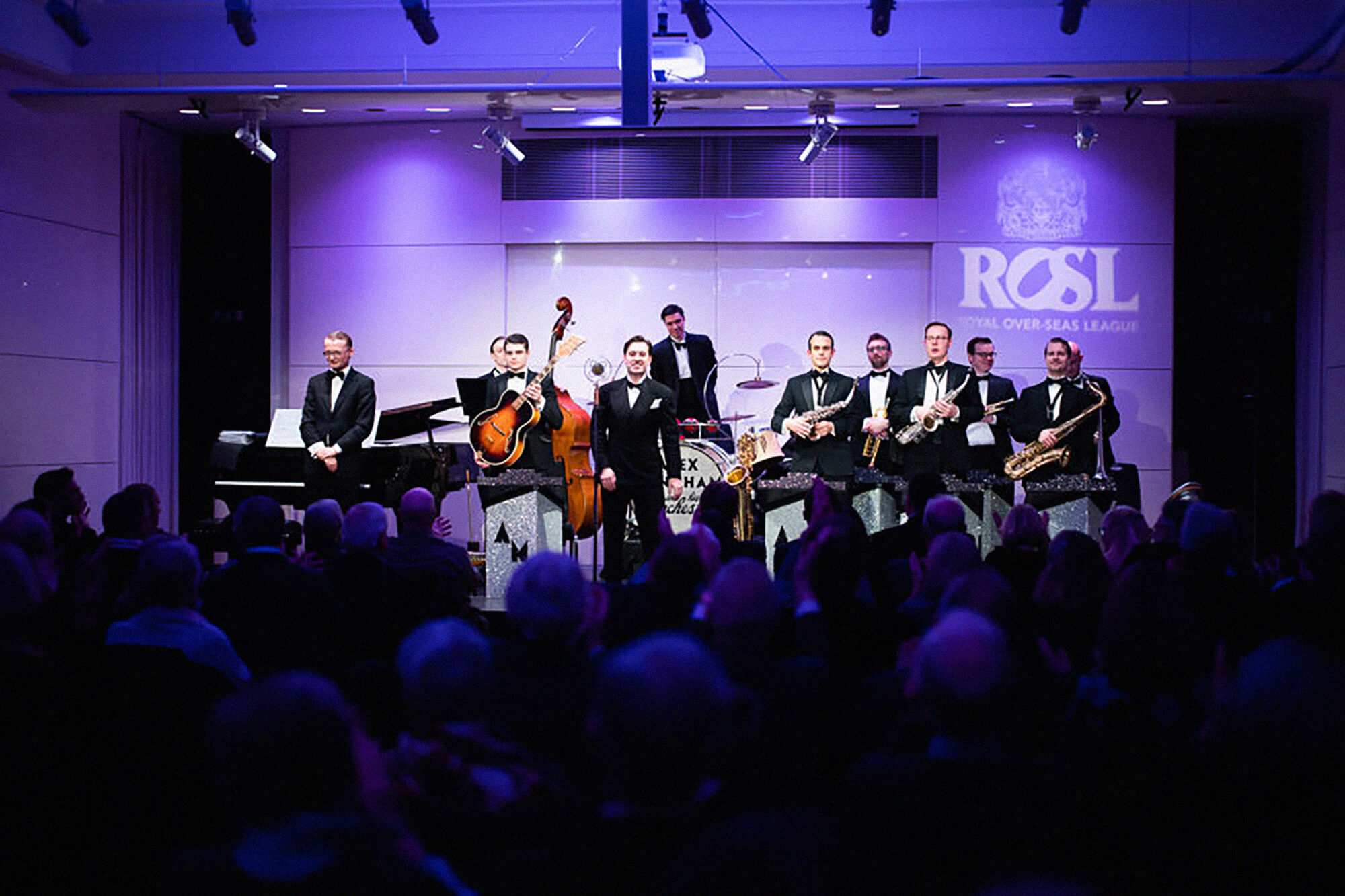
![Jazz Nights in the 1910]()
-
Global Expressions of Riesling: A Guided Wine Tasting with Dr Enno Lippold & James Leach
Thu. 16 April - 18:45
![global-expressions-riesling-tasting]()
-
Piano recital with Martin James Bartlett
Fri. 24 April - 18:30
![Martin_James_Bartlett_MMSOL_Arts_Events]()
-
Annual Music Competition, Gold Medal Final 2026
Fri. 15 May - 19:30
![ROSL_Arts_Events__2026_Music_Competition_Gold_Medal]()
-
Haydn, Britten and Schubert with the Brodsky Quartet
Fri. 03 July - 18:30
![Brodsky_Quartet_MMSOL_Arts_Events]()
-
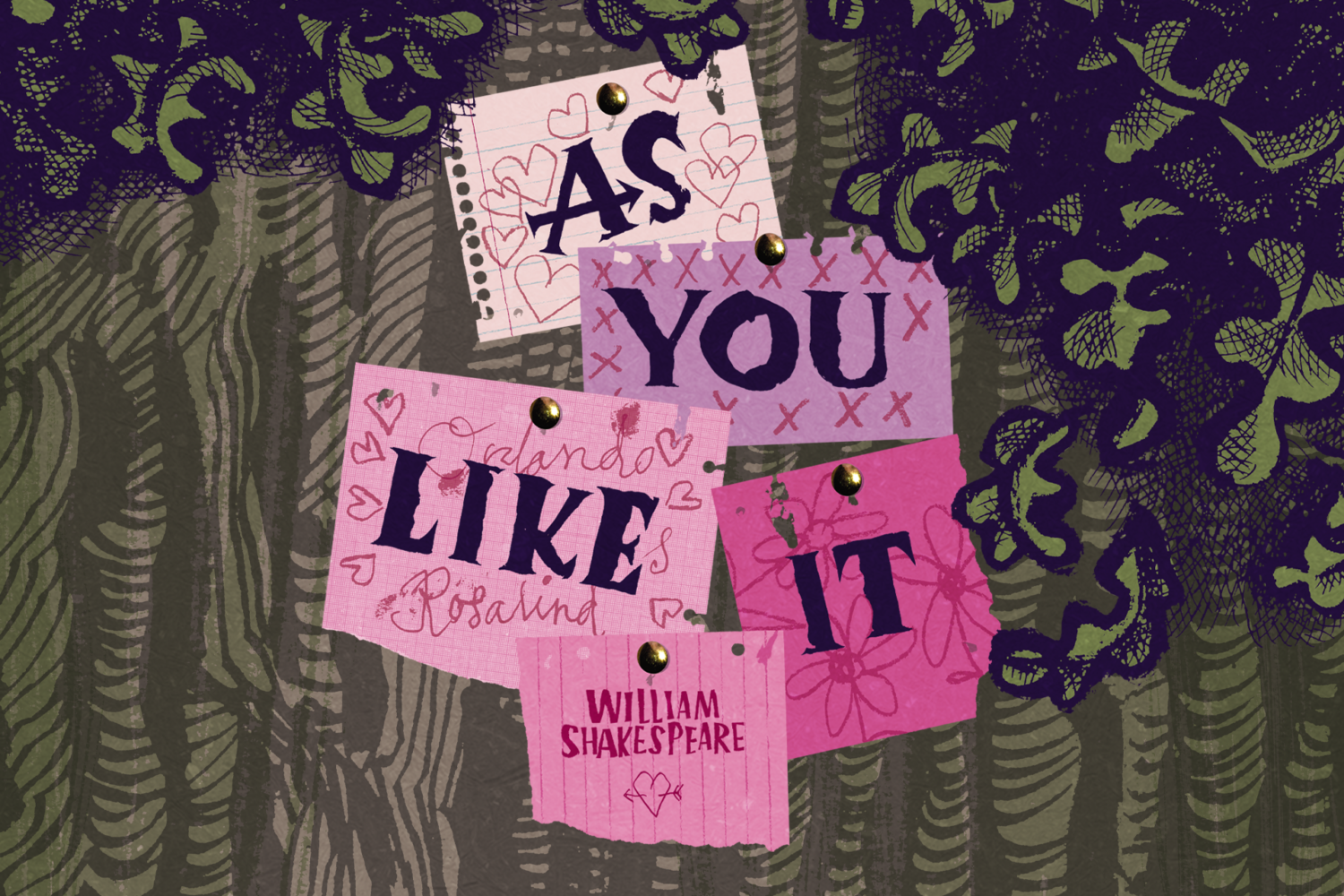
Shakespeare in the Garden: As You Like It
Fri. 10 July - 18:30
![Illyria, As You Like It, at ROSL]()
-
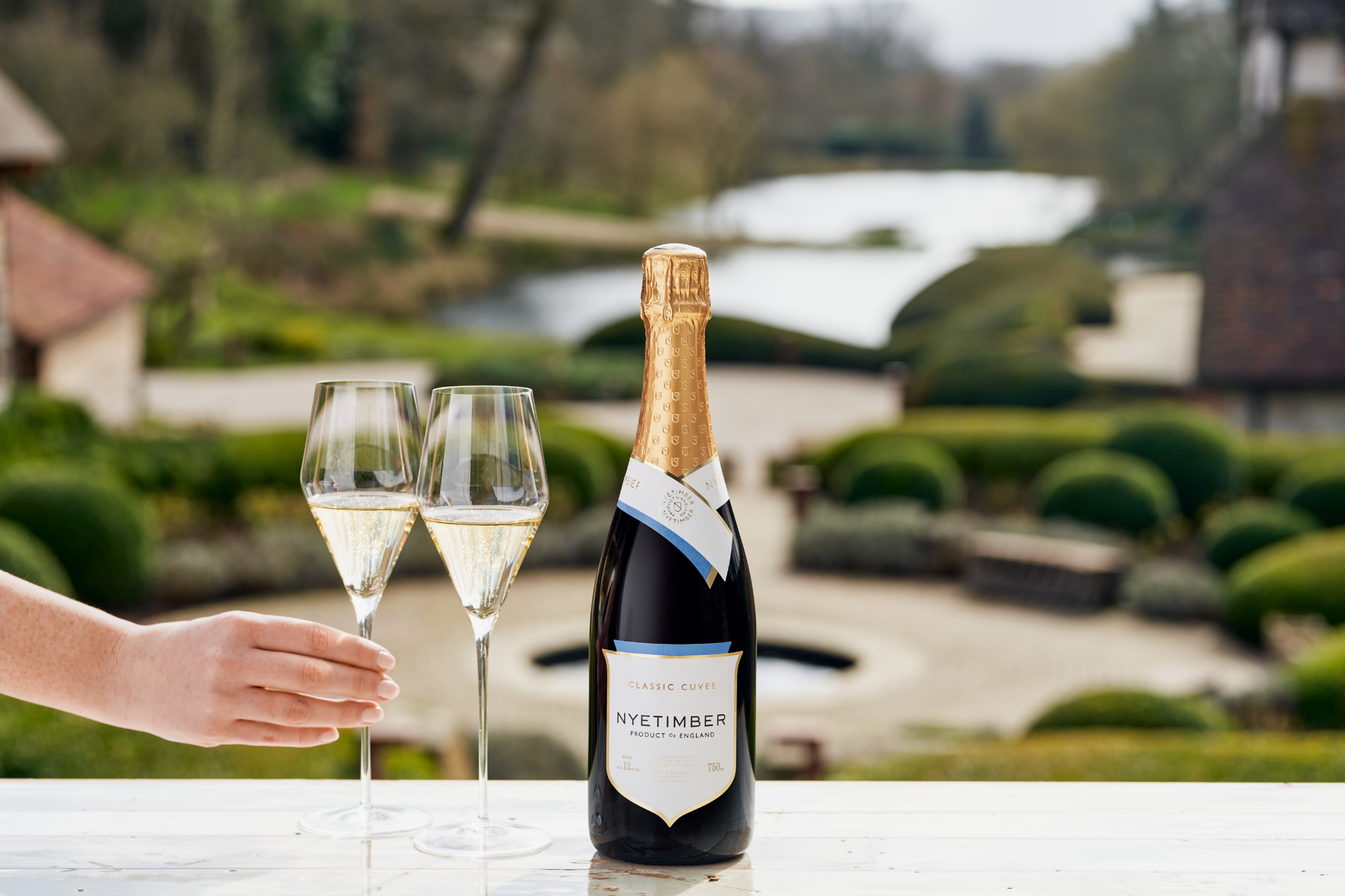
Nyetimber Sparkling Wine & Canapés Tasting
Fri. 17 July - 18:45
![Nyetimber sparkling wine tasting]()
-
-







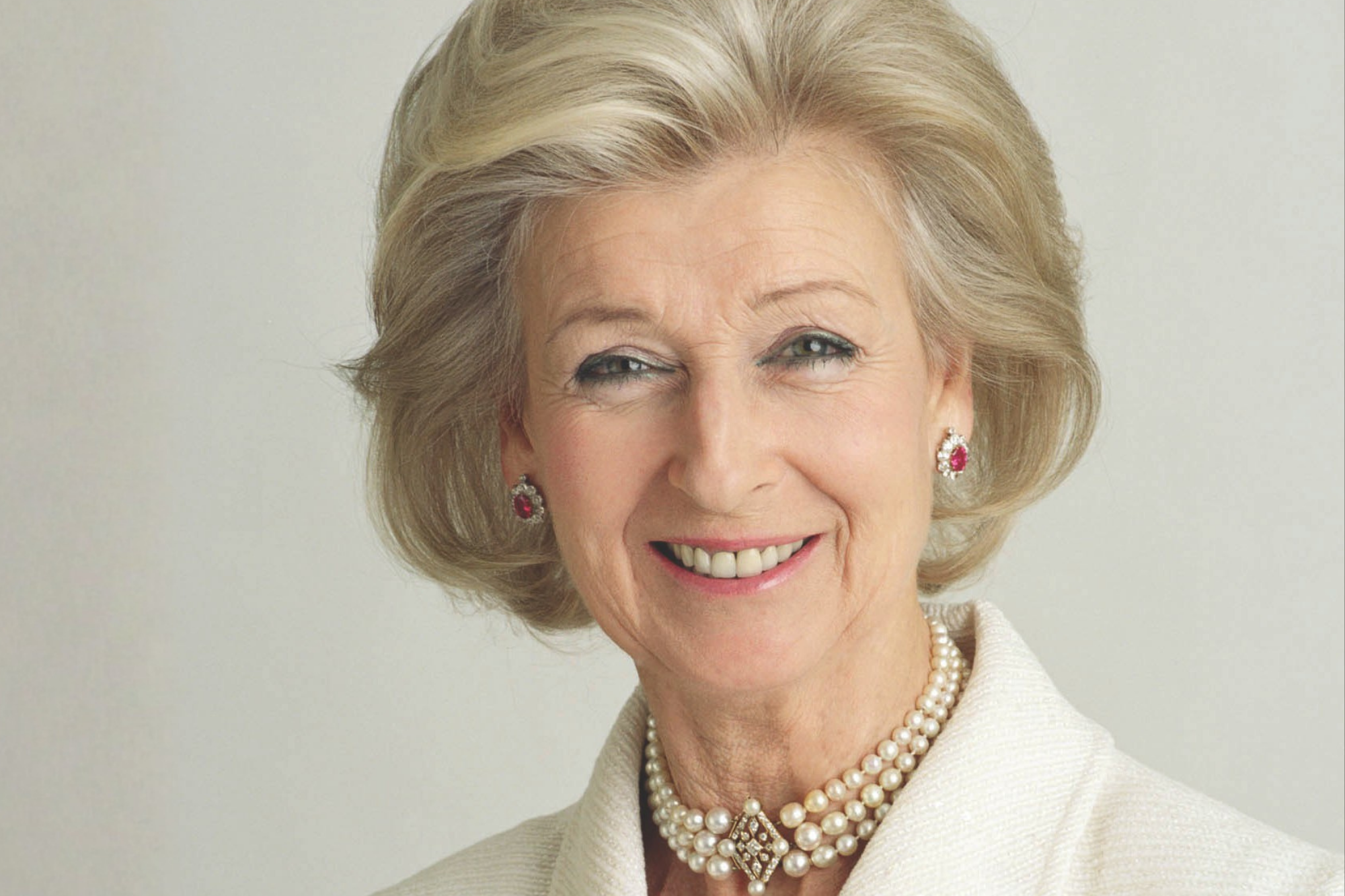
Her Royal Highness Princess Alexandra
The Power of Royal Patronage in the United Kingdom
26 February 2026
Read time: 5 Minutes
The Power of Royal Patronage
As our Vice-Patron, Her Royal Highness Princess Alexandra, steps down from her role, it is a timely moment to reflect on the enduring influence of royal patronage and its quiet yet powerful role in shaping British life. Eleanor Doughty, Peerage Consulting Editor for Debrett’s and author of Heirs and Graces, explores a world where tradition, public service and personal commitment intersect, tracing the history and evolving significance of royal support for charities from its origins to the present day.
The Origins of Royal Patronage in British Society
Exploring the world of royal patronage in the United Kingdom highlights its impact across numerous sectors, from the Dogs Trust to the National Playing Fields Association. The earliest recorded instance of royal patronage was George II’s involvement with the Society of Antiquaries, which received its Royal Charter in 1751, 44 years after its founding. Today, it continues its royal association under the patronage of the Duke of Gloucester.
Several organisations have a long-standing royal connection, with patronages often passing through generations. George IV became the first monarch to act as patron of the Royal National Lifeboat Institution in 1824, a role embraced by each of his successors. Patronage can take multiple forms, from the inclusion of a royal name on a letterhead to the foundation of an organisation, such as the Invictus Games initiated by Prince Harry in 2014.
Today, King Charles III, Queen Camilla and other members of the Royal Family maintain active links with over 1,000 charities, military organisations and public service bodies across the United Kingdom and the Commonwealth. As described on the Royal Family’s official website, royal patronage “highlights the vital work of these organisations and allows their many achievements and valuable contributions to society to be more widely recognised and promoted.” At the time of Queen Elizabeth II’s passing, she was patron of 492 organisations, while Charles III, as Prince of Wales, was associated with 441 organisations, 367 of which were retained by the King or passed to other members of the Royal Family following a review of all royal patronages.
Royal Patronage Across British Institutions
Royal patronage in the United Kingdom takes many forms and has historically shaped key institutions. The British Museum has benefited from royal support since its foundation in 1753. The British Museum Act of 1832 allowed the monarch, then William IV, to appoint an additional trustee, ensuring a long-term governance role. Similarly, the Royal Yacht Squadron in Cowes gained its royal warrant from George IV in 1820 and became formally recognised as Royal four years later.
Royal church patronage dates back to the Norman period. During the Reformation, Henry VIII assumed patronage over roughly 1,500 church livings, giving the monarchy authority to appoint clergymen. While parish changes in the Church of England make exact numbers difficult to determine, many remain under royal oversight today.
Some patronages have a more personal or prestigious aspect. The Royal Family’s association with Fabergé, goldsmith to the Russian Imperial Court, began in the 1880s when Tsarina Marie Feodorovna introduced her sister, Queen Alexandra, wife of Edward VII, to the St Petersburg firm. Today, the Fabergé portion of the Royal Collection is one of the most important in the world, comprising almost 600 individual pieces, including three Imperial Easter eggs, among them the 1914 Mosaic Egg, fitted with tiny jewels and purchased by George V in 1933, probably for Queen Mary’s birthday.
The Importance of Engaged Royal Patrons
Veteran royal biographer Hugo Vickers emphasises the importance of making patronage enjoyable for both the royal and the organisation. He recalls that when he was running the Jubilee Walkway Trust between 2002 and 2012, his patron was the Duke of Gloucester, and they sought to make his involvement as interesting as possible.
Princess Anne, emerging in public life, was advised by Prince Philip that she would be asked to do a great many things and should always choose roles where she felt able to make a genuine contribution, where she was involved and interested because otherwise it did not truly work.
Peerage and Local Patronage
Royal patronage is not exclusive to the monarchy. Many British peers retain influential roles in local organisations. The late Gerald Grosvenor, 6th Duke of Westminster, held around 150 patronages at his death in 2016. Other peers actively support local causes: Frederick Curzon, 7th Earl Howe, presides over a Buckinghamshire half-marathon; Max Wyndham, 2nd Baron Egremont, leads several community initiatives, including the Petworth Town Band and Francis Fitzherbert, 15th Baron Stafford, has contributed to over 60 organisations during four decades of involvement.
Contemporary Royal Patronage
Today, the slimmed-down core of the working Royal Family remains actively engaged in its charitable obligations, though stretched across a wide range of commitments. The Princess of Wales now serves as patron of the All England Club, Wimbledon, following the Duke of Kent’s retirement from the role after 52 years. Princess Eugenie is patron of the spinal injury charity Horatio’s Garden. The Prince of Wales continues, after 21 years in the role, as patron of the homelessness charity Centrepoint, following in the footsteps of Diana, Princess of Wales. Even at 90, the Duke of Kent retains an interest in the Scouts, sharing its presidency with the Princess of Wales.
For the organisations that enjoy their support, it’s as much a boon now as ever before. ‘If you have a royal patron, it attracts money and other people to get involved’, says Vickers. ‘It absolutely makes a difference having a royal patron.’
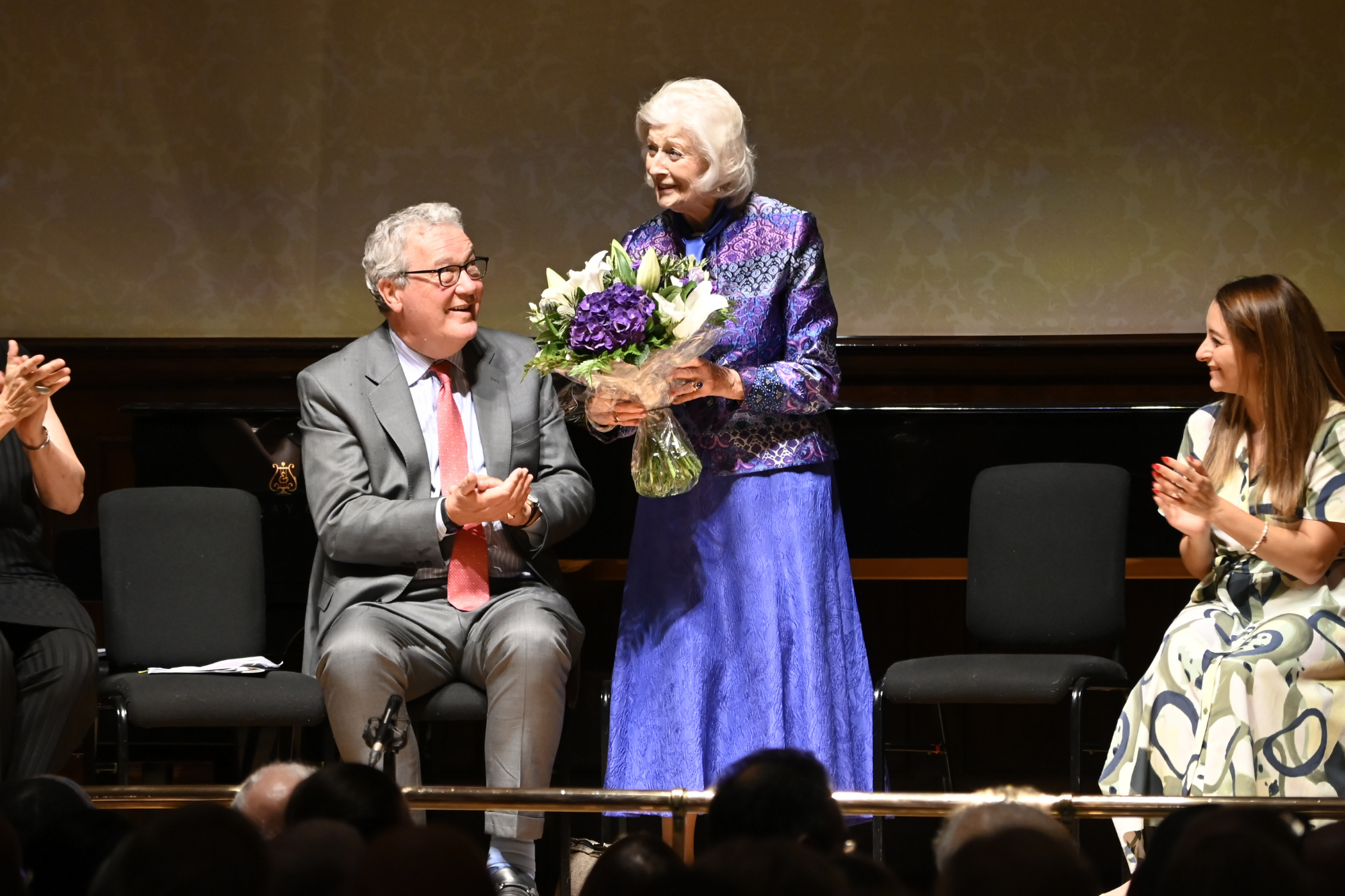
Royal Highness Princess Alexandra at ROSL Annual Music Competition
Pull Quote
When Princess Anne was emerging in public life…Prince Philip told her, you know you will be asked to do a lot of things – always choose things where you feel you can make a contribution, when you’re involved and interested.
Key Facts Box
- First recorded royal patronage: George II, 1751
- Patronages today span charities, culture, military and public service
- At the time of her death, Queen Elizabeth II was patron of 492 organisations
- HM King Charles III is currently patron of around 669 organisations, including ROSL
- Over 1,000 organisations have a member of the Royal Family as their patron or president
- 600 of these relate to the Armed Services
Read the full article in the latest issue of Overseas Journal, “Princess Alexandra: 45 Years of Service”, available from 2 March 2026.